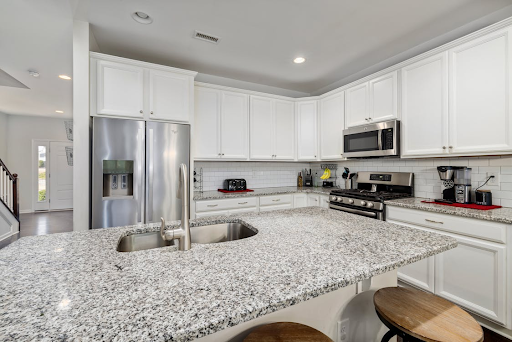
Your dwelling isn’t just a place to unwind; it’s the bedrock of your way of life. Central to it all is the kitchen. Often perceived as the heart and soul of the home, for many it’s the starting and ending point of their day. Beyond a mere cooking area, it’s a portal to improved health. A well-planned kitchen renovation can not only enhance your home’s visual appeal, but also positively affect your dietary habits and general health. Learn how kitchen design can foster healthier lifestyles and how to create an environment that underpins your wellness objectives.
The Connect Between Kitchen Design and Healthy Living
Did you ever pause to think how your kitchen’s structure influences your choices? Studies indicate that your environment’s accessibility and visual prompts have an impact on your decision-making, even food-related. Rummaging through a chaotic, poorly illuminated, or ill-structured kitchen can lead to prioritizing convenience over nutrition. When it’s simpler to grab a packet of chips than fresh veggies, undesirable eating habits usually follow.
A carefully designed kitchen after a kitchen remodel in Scottsdale eases the task of preparing nutritious meals. For instance, open racks or see-through pantry boxes keep fresh, healthy ingredients within sight and more tempting. Likewise, a practical counter space promotes home cooking over takeaways. A mindful kitchen design accents flow, functionality, and ease of access to tools and ingredients, endorsing a lifestyle mindful of health.
Crucial Components of a Health-Oriented Kitchen Revamp
Creating a kitchen promoting well-being doesn’t necessitate a complete makeover, but integrating these core elements can indeed make a significant impact.
Emphasize Functional Layouts
An efficient kitchen structure is the vital component of a wholesome cooking environment. Layouts like the work triangle—positioning the sink, cooker, and fridge nearby—enhance efficiency and save time during meal prep. Avoid cluttered or poorly spaced regions and focus on uncluttered lines with consistent pathways throughout. A practical layout mitigates stress and aids in concentrating on cooking nourishing meals.
Invigorate with Natural Light
Light is not just about practicality—it deeply impacts mood and energy levels. Ensure maximum natural light through installing larger windows or skylights, which will enliven cooking and dining spaces. Adequate lighting makes colorful fruits, veggies, and herbs look more appetizing, subtly encouraging healthier eating. Where natural light is scarce, soft, warm LED fixtures can create inviting surroundings without harsh glare.
Opt for Sustainable and Health-Conscious Materials
The materials in your kitchen may subtly but significantly influence your everyday wellness. Choosing environmentally friendly materials such as bamboo floors or recycled countertops reduces environmental harm while guaranteeing toxin-free food prep zones. Also, consider low or zero VOC finishes for cabinetry to minimize harmful emissions.
Invest in Energy-Efficient Appliances
Healthy living isn’t just about the food you prepare. Energy-saving appliances not only cut costs but also lessen your kitchen’s environmental footprint. Opt for fridges with plenty of fresh produce space, induction cookers for secure cooking, or dishwashers with rapid water-conserving cycles. These appliances simplify your routine while complementing a conscious, eco-friendly lifestyle.
Prioritize Organization
Effective kitchen organization can revolutionize your dietary habits. Establish specific spaces for fresh produce, pantry basics, and cooking utensils, keeping everything in its place. Invest in storage solutions such as glass boxes for perishable items or adjustable spice racks. With an orderly workspace, the cooking process feels naturally integrated with your everyday routine.
Read Our Other Blog: How to Choose the Right Bag for Outdoor Workouts in Scottdale